Featured
Table of Contents
- – ADHD Testing: Beyond Signs And Symptom Checklists
- – Autism Spectrum Examination: Identifying Diver...
- – Learning Impairment Screening: Identifying Det...
- – Child Assessment: Developing Considerations in...
- – Adult Assessment: Recognizing Late-Diagnosed N...
- – Neurodivergent-Affirming Evaluation: Changing ...
- – Gabii Bee

Psychological assessment functions as an important portal to comprehending cognitive distinctions, discovering patterns, and neurodevelopmental conditions that shape exactly how individuals navigate the world. Whether seeking clearness regarding ADHD symptoms, autism range characteristics, or discovering specials needs, comprehensive assessment supplies the analysis structure essential for suitable interventions, accommodations, and self-understanding. Bridges of the Mind offers neurodivergent-affirming analyses that prioritize recognizing specific cognitive profiles over pathologizing distinctions.
ADHD Testing: Beyond Signs And Symptom Checklists
ADHD analysis has advanced dramatically from simple behavioral checklists to detailed analyses that check out executive functioning, focus regulation, and neuropsychological patterns. Quality ADHD screening incorporates multiple information resources consisting of organized clinical meetings, standardized ranking scales, constant performance tests, and often neuropsychological procedures of working memory and handling rate. Bridges of the Mind approaches ADHD examination through this diverse lens, acknowledging that precise diagnosis needs comprehending exactly how interest distinctions manifest throughout different contexts and life domain names.
The analysis process typically begins with a complete developmental background discovering sign beginning, duration, and useful effect. ADHD symptoms should exist prior to age twelve and cause substantial problems in numerous settings to meet diagnostic criteria. However, many people-- particularly ladies and high-achieving adults-- develop sophisticated countervailing approaches that mask underlying focus problems until needs go beyond coping capacity. Comprehensive evaluation determines these concealed presentations via performance-based screening that exposes exec working challenges not evident in self-report alone.
Constant performance tests like the TOVA or Conners CPT measure continual attention, impulse control, and response variability under regulated problems. These computerized assessments offer unbiased data about interest patterns that enhance subjective sign records. When incorporated with steps of working memory, refining speed, and cognitive adaptability, evaluators gain insight into the particular executive working account underlying interest problems. Bridges of the Mind utilizes this multi-method strategy to distinguish ADHD from stress and anxiety, depression, or other problems that generate attention-related symptoms.
Autism Spectrum Examination: Identifying Diverse Discussions
Autism evaluation calls for specific competence offered the spectrum nature of the condition and historical biases that caused analysis standards greatly heavy toward male discussion patterns. Comprehensive autism testing examines social communication distinctions, sensory processing patterns, repetitive behaviors or limited interests, and the cognitive handling style usually called detail-focused or pattern-oriented reasoning. Bridges of the Mind offers analyses educated by present understanding of autism as a neurological difference as opposed to a condition needing remediation.
The gold-standard autism evaluation devices include the ADOS-2 (Autism Analysis Observation Set Up) and ADI-R (Autism Analysis Interview-Revised), however several clinicians include extra steps resolving sensory processing, alexithymia, and camouflaging actions typical in autistic people that discovered to mask their all-natural communication design. The assessment process checks out developing history with specific focus to early social communication patterns, sensory experiences, and the visibility of intense interests or repeated behaviors.
Adult autism analysis provides distinct obstacles as individuals frequently develop innovative concealing techniques that obscure diagnostic attributes throughout short clinical encounters. Comprehensive assessment for grownups includes analysis of autistic burnout, co-occurring problems like stress and anxiety or clinical depression, and the built up impact of browsing a neurotypical world without appropriate assistance or self-understanding. Bridges of the Mind acknowledges that late-identified autism commonly shows assessment gaps as opposed to late-onset signs, specifically for females, non-binary individuals, and people of shade traditionally omitted from autism research and diagnosis.
Learning Impairment Screening: Identifying Details Discovering Distinctions
Discovering disability evaluation identifies details cognitive processing differences that disrupt academic skill acquisition despite sufficient intelligence and instructional chance. Comprehensive analysis checks out reading, creating, mathematics, and occasionally dental language capabilities while examining underlying cognitive procedures including phonological processing, orthographic processing, working memory, and handling rate. Bridges of the Mind's learning impairment evaluations supply thorough cognitive profiles that educate educational treatments and accommodation recommendations.
The analysis process typically consists of intellectual evaluation utilizing actions like the WAIS or WISC along with achievement testing checking out academic ability development throughout domains. Substantial disparities between cognitive capacity and academic accomplishment suggest particular learning handicaps affecting particular skill areas. However, modern diagnostic models increasingly acknowledge that learning impairments can occur without ability-achievement inconsistencies, especially when countervailing strategies mask underlying handling troubles.
Dyslexia evaluation concentrates on phonological recognition, rapid automatized identifying, orthographic handling, and reviewing fluency procedures. Dyscalculia assessment examines number sense, mathematical thinking, and estimation fluency alongside visual-spatial handling abilities. Dysgraphia evaluation addresses fine electric motor skills, orthographic coding, and created expression fluency. Bridges of the Mind gives differentiated evaluation methods resolving each learning handicap type while acknowledging that individuals often existing with co-occurring finding out distinctions needing thorough assessment across several domains.
Child Assessment: Developing Considerations in Analysis
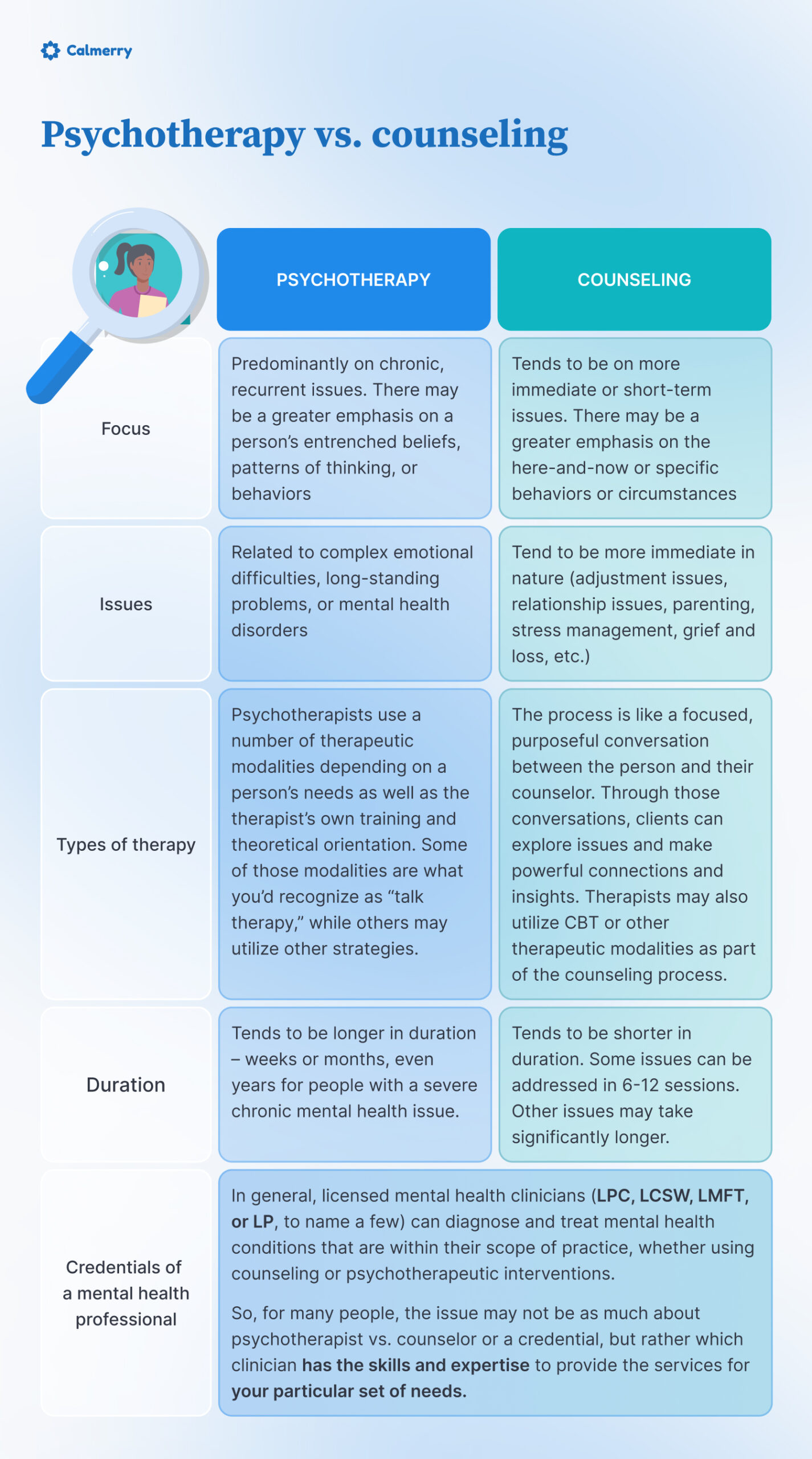
Emotional assessment of youngsters calls for specific proficiency in developing psychology, child involvement strategies, and age-appropriate evaluation measures. Kid evaluations have to account for developmental variability, the influence of family and educational settings, and the child's capability to take part meaningfully in screening tasks. Bridges of the Mind approaches child analysis with developmentally delicate protocols that balance standardization demands with the adaptability required for legitimate results with young or varied learners.
Play-based evaluation techniques prove specifically important for kids that do not have the continual interest or verbal abilities needed for standard screening layouts. Empirical analysis during structured play activities reveals cognitive abilities, social interaction patterns, and psychological regulation skills that notify analysis perceptions. Moms and dad and teacher ranking scales provide essential info regarding the kid's working throughout setups, though critics must translate these subjective records within the broader analysis context.
School-based useful problems represents a crucial consideration in kid assessment. Analyses check out not only whether diagnostic requirements are met but also just how cognitive differences impact educational progress, peer partnerships, and the child's developing feeling of capability. Bridges of the Mind supplies analysis reports that convert diagnostic searchings for into functional suggestions for college accommodations, restorative interventions, and parenting strategies that support the youngster's developing trajectory.
Adult Assessment: Recognizing Late-Diagnosed Neurodivergence
Adult emotional evaluation addresses the growing recognition that numerous neurodivergent people get to their adult years without ideal medical diagnosis or understanding of their cognitive differences. Grownups seeking analysis usually existing after years of inexplicable have problem with employment, relationships, or everyday functioning that activated examination right into possible hidden problems. Bridges of the Mind specializes in adult assessment that contextualizes present operating within developing background and collected life experiences.
The adult analysis process need to disentangle neurodevelopmental problems from acquired psychological health conditions, clinical issues, or normal cognitive variations. ADHD and autism assessments for adults call for mindful developing history celebration, often including childhood years transcript, moms and dad interviews when possible, and detailed exploration of compensatory techniques developed throughout the life-span. Grownups with undiagnosed learning handicaps might present with job efficiency difficulties, evasion of analysis or creating tasks, or anxiousness around scholastic scenarios that masks underlying processing differences.
Professional and personal impairment documents becomes specifically essential for adults seeking work environment holiday accommodations under the Americans with Disabilities Act or academic lodgings in higher education and learning setups. Comprehensive evaluation records provide the in-depth analysis rationale and useful effect paperwork necessary for protecting suitable supports. Bridges of the Mind understands the sensible ramifications of adult evaluation and frameworks analysis reports to resolve accommodation and treatment planning alongside analysis information.
Neurodivergent-Affirming Evaluation: Changing the Standard
Neurodivergent-affirming evaluation represents an essential change from deficit-focused analysis towards recognizing cognitive differences as all-natural variations in human neurology. This strategy acknowledges that ADHD, autism, and learning disabilities include both obstacles and toughness, with difficulties typically reflecting bad ecological fit instead of inherent pathology. Bridges of the Mind welcomes this attesting perspective while giving complete diagnostic analysis that opens up doors to sustain services and self-understanding.
The neurodiversity standard reframes problems generally saw as disorders as neurological differences with connected traits instead than signs and symptoms calling for removal. Affirming analysis discovers how people experience their neurocognitive differences, what supports enhance operating, and exactly how to construct on existing strengths while dealing with real obstacles. This strengths-based technique proves particularly useful for people who internalized pity concerning their differences prior to recognizing their neurological basis.
Gabii Bee
Dr. Hamad was absolutely wonderful, made me feel valid and my child able to express himself, doing thing I've never even him do before. It made me extremely happy, and I'm happy with both the resources and outcome.
Language selections within assessment reports reflect this affirming approach-- defining autistic traits instead than autism symptoms, taking a look at executive functioning differences instead than shortages, and recognizing the validity of neurodivergent experiences. Bridges of the Mind stabilizes the medical version language occasionally needed for insurance policy protection or solution qualification with person-first or identity-first language reflecting individual preferences and modern understanding of neurodiversity as valuable human variant needing holiday accommodation instead than removal.

Table of Contents
- – ADHD Testing: Beyond Signs And Symptom Checklists
- – Autism Spectrum Examination: Identifying Diver...
- – Learning Impairment Screening: Identifying Det...
- – Child Assessment: Developing Considerations in...
- – Adult Assessment: Recognizing Late-Diagnosed N...
- – Neurodivergent-Affirming Evaluation: Changing ...
- – Gabii Bee
Latest Posts
The Foundation Validating Modern Treatment Modalities
Confronting Fears in Phobias: A Therapeutic Path to Reduced Anxiety in NYC Services
Your First Session
More
Latest Posts
The Foundation Validating Modern Treatment Modalities
Confronting Fears in Phobias: A Therapeutic Path to Reduced Anxiety in NYC Services
Your First Session